
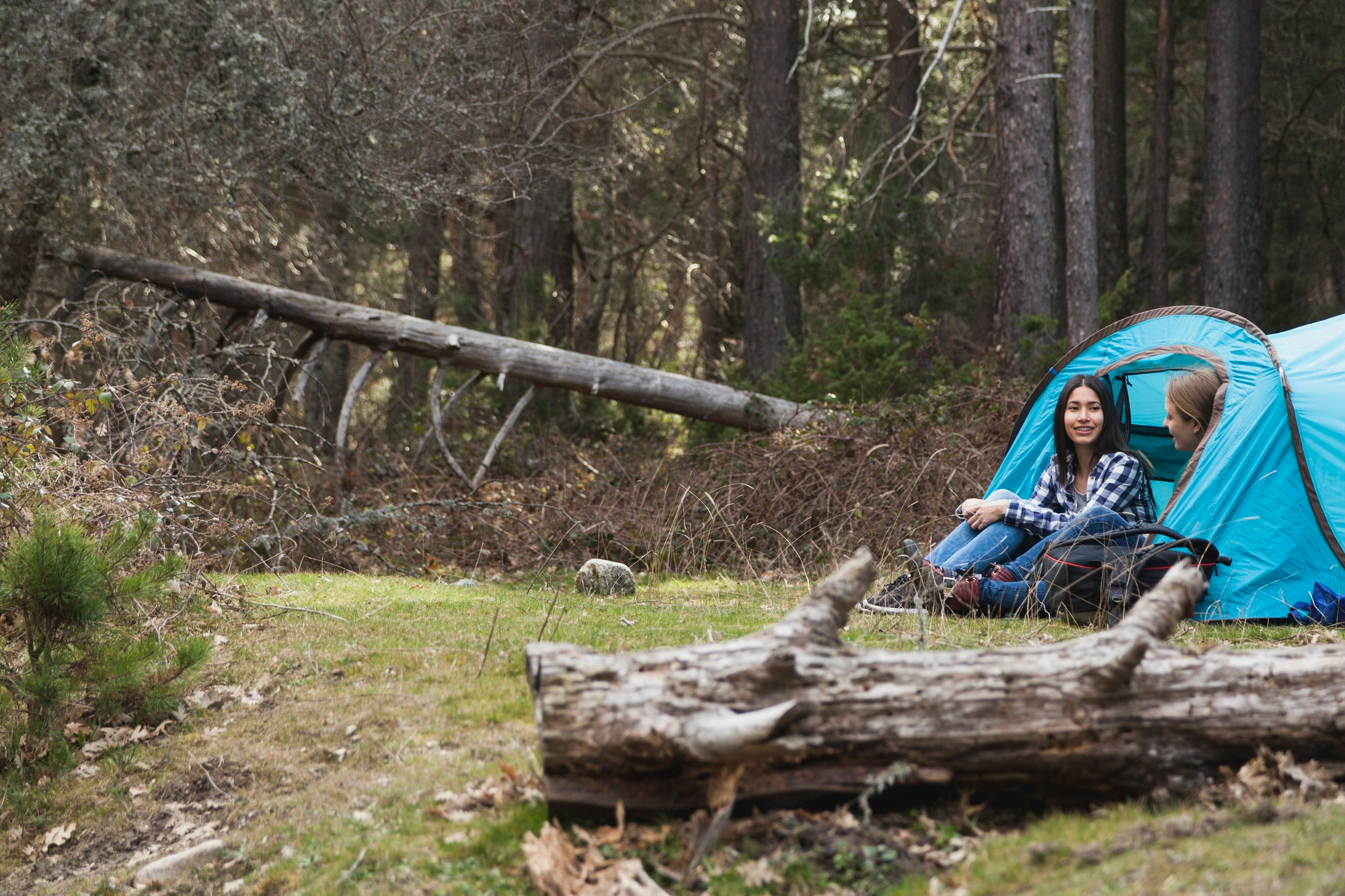
National Forest Dispersed Camping: The Ultimate Guide to Camping on Public Lands
For outdoor enthusiasts seeking solitude, freedom, and a deeper connection with nature, few experiences compare to National Forest dispersed camping. Unlike traditional campgrounds that offer designated campsites, picnic tables, and developed amenities, dispersed camping allows visitors to camp outside of established campground facilities on approved public lands.
National forests across the United States provide millions of acres of land where dispersed camping is permitted, offering opportunities for adventure, exploration, and peaceful outdoor experiences. Whether you’re traveling in a tent, camper van, truck camper, or overlanding vehicle, understanding how dispersed camping works can help you enjoy public lands responsibly and safely.
What Is Dispersed Camping?
Dispersed camping refers to camping outside of developed campgrounds.
Typically, dispersed campsites:
- Have no reservations
- Offer no amenities
- Have no designated campsite numbers
- Provide greater privacy
- Allow more flexibility
Campers are responsible for selecting appropriate locations and following local regulations.
Dispersed camping is often free, making it an attractive option for budget-conscious travelers.
Why National Forests Are Popular for Dispersed Camping
National forests offer some of the best dispersed camping opportunities in the country.
Advantages include:
- Vast public land access
- Scenic natural environments
- Lower camping costs
- Reduced crowds
- Diverse recreational opportunities
From mountain forests and alpine meadows to desert landscapes and riverside locations, national forests provide a wide variety of camping experiences.
Understanding National Forest Regulations
Before planning a dispersed camping trip, research the specific national forest you intend to visit.
Rules vary between locations and may include:
- Stay limits
- Campfire restrictions
- Vehicle access requirements
- Seasonal closures
- Wildlife regulations
Many forests limit camping to 14 consecutive days within a designated period.
Always check with the local ranger district for current information.
Finding a Dispersed Campsite
Locating a suitable campsite requires preparation.
Helpful resources include:
- National Forest maps
- Ranger stations
- Recreation websites
- GPS navigation tools
- Forest service publications
Look for previously used sites whenever possible to minimize environmental impact.
Choosing the Right Campsite
A good dispersed campsite should offer:
- Level ground
- Good drainage
- Safe access
- Natural wind protection
- Adequate space
Avoid camping in:
- Flood-prone areas
- Sensitive habitats
- Meadows with fragile vegetation
- Wildlife corridors
Careful site selection improves safety and protects natural resources.
Vehicle-Based Dispersed Camping
Many dispersed campers travel using:
- Four-wheel-drive vehicles
- Camper vans
- Overlanding rigs
- Truck campers
- SUVs
Forest roads often provide access to remote locations.
Road conditions can vary significantly depending on weather and maintenance schedules.
Always assess road conditions before traveling into remote areas.
Tent Camping in National Forests
Tent camping remains one of the most popular dispersed camping methods.
Benefits include:
- Low equipment costs
- Greater mobility
- Access to remote locations
- Immersive outdoor experiences
Choose durable, weather-resistant equipment suitable for local conditions.
Campfire Considerations
Campfires are often permitted but not always.
Before lighting a fire:
- Check fire restrictions
- Use existing fire rings
- Keep water nearby
- Monitor weather conditions
During dry periods, fire bans may prohibit all open flames.
Violating fire restrictions can result in significant penalties and increased wildfire risks.
Water and Sanitation
Dispersed campsites typically lack potable water.
Campers should:
- Carry sufficient water
- Bring water filtration systems
- Know nearby water sources
Sanitation is equally important.
Follow local guidelines regarding:
- Human waste disposal
- Trash management
- Greywater disposal
Proper sanitation protects both the environment and public health.
Wildlife Awareness
National forests support diverse wildlife populations.
Depending on the region, campers may encounter:
- Deer
- Elk
- Bears
- Foxes
- Birds
- Small mammals
Store food securely and follow wildlife safety recommendations.
Never feed wild animals.
Leave No Trace Principles
Responsible dispersed camping depends on Leave No Trace practices.
Key principles include:
- Plan ahead
- Camp on durable surfaces
- Dispose of waste properly
- Minimize campfire impacts
- Respect wildlife
- Leave natural areas unchanged
These principles help preserve public lands for future visitors.
Benefits of Dispersed Camping
Many campers prefer dispersed camping because it offers:
- Solitude
- Scenic views
- Flexible camping locations
- Lower costs
- Greater connection with nature
For those seeking an alternative to crowded campgrounds, dispersed camping provides a more authentic outdoor experience.
Safety Tips
Remote camping requires additional preparation.
Bring:
- Navigation tools
- First aid supplies
- Emergency communication devices
- Extra food and water
- Recovery equipment if traveling by vehicle
Inform someone of your travel plans before departing.
Conclusion
National Forest dispersed camping offers a unique opportunity to explore public lands while enjoying freedom, privacy, and natural beauty. Whether you’re camping from a tent, overlanding vehicle, or camper van, dispersed camping allows you to experience the outdoors on your own terms. By understanding local regulations, selecting campsites responsibly, practicing Leave No Trace principles, and preparing thoroughly, you can enjoy safe and memorable adventures in some of the most beautiful landscapes the country has to offer. Public lands are a valuable resource, and responsible dispersed camping helps ensure they remain accessible and enjoyable for future generations.
Recent Posts
- National Forest Dispersed Camping: The Ultimate Guide to Camping on Public Lands 06/04/2026
- Jeep Rubicon Capabilities: What Makes It One of the Most Capable Off-Road Vehicles on the Market 06/04/2026
- Tent Assembly Basics: A Beginner’s Guide to Setting Up a Tent Correctly 06/04/2026
- Building a Campfire: A Complete Guide to Creating Safe, Efficient, and Enjoyable Campfires 06/04/2026
- Roasting the Perfect S’more: The Ultimate Campfire Guide 06/04/2026