
How to Catch a Fish in a Beaver Pond: A Complete Guide for Anglers
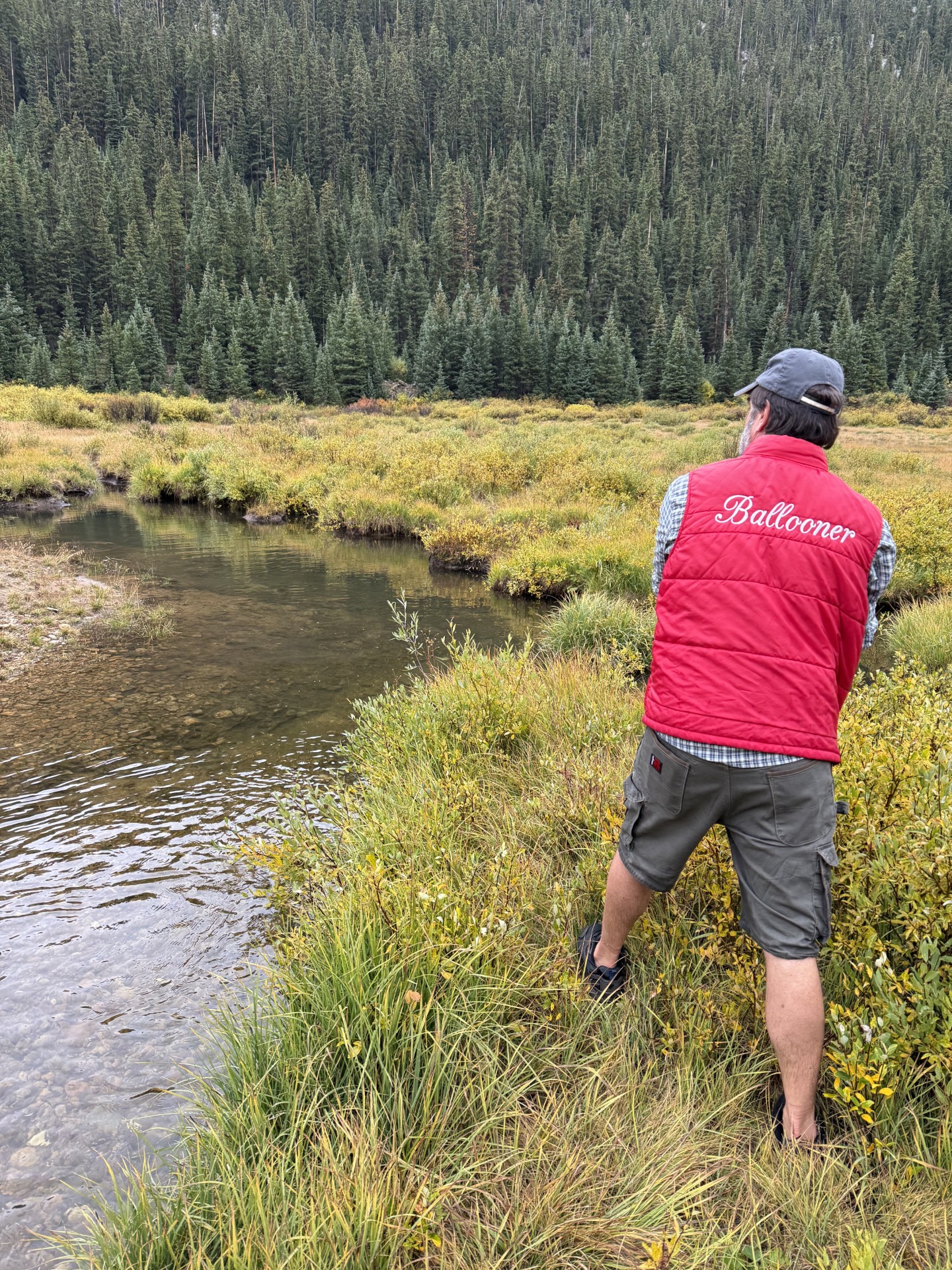
Beaver ponds are some of the most overlooked yet productive fishing locations in North America. Created by industrious beavers damming streams and creeks, these ponds provide ideal habitat for many fish species, including trout, bass, bluegill, perch, and other freshwater fish. The calm water, abundant food sources, and natural cover make beaver ponds attractive environments for both fish and anglers.
Whether you’re an experienced fisherman looking to explore new waters or a beginner seeking a peaceful place to cast a line, learning how to fish effectively in a beaver pond can significantly improve your success. Understanding fish behavior, selecting the right gear, and knowing where to cast are key factors that can turn an ordinary fishing trip into an unforgettable experience.
Why Beaver Ponds Are Excellent Fishing Locations
Beaver ponds create unique aquatic ecosystems. When beavers construct dams, they slow moving water and create deeper pools. This transformation benefits fish by providing food, shelter, and breeding areas.
Fish are attracted to beaver ponds because they offer:
- Abundant aquatic insects
- Shade and cover
- Oxygen-rich water near inflows
- Fallen trees and submerged structure
- Protection from predators
The combination of food and shelter creates ideal conditions for fish growth and survival.
Common Fish Species Found in Beaver Ponds
The species present will depend on your location, but common fish include:
- Brook trout
- Rainbow trout
- Brown trout
- Largemouth bass
- Smallmouth bass
- Bluegill
- Perch
- Crappie
Many trout anglers specifically seek out beaver ponds because they provide excellent habitat for wild trout populations.
Scout the Pond Before Fishing
Before casting your line, spend a few minutes observing the pond.
Look for:
- Fish activity on the surface
- Insect hatches
- Areas with submerged logs
- Water inflows and outflows
- Deep pockets and channels
Observation often reveals where fish are feeding and holding.
Early morning and late evening are particularly good times to watch for surface activity.
Focus on Structure
Fish rarely roam randomly. They tend to gather around structure that offers protection and feeding opportunities.
Prime areas include:
- Fallen trees
- Beaver lodges
- Submerged branches
- Weed edges
- Undercut banks
Casting near structure often produces better results than fishing open water.
However, be prepared for occasional snags when fishing around heavy cover.
Fish Near Inflows and Outflows
The points where water enters and exits a beaver pond are often among the most productive fishing locations.
These areas provide:
- Fresh oxygenated water
- Concentrated food sources
- Cooler temperatures during summer
Trout especially favor these locations because of the increased oxygen levels.
Cast upstream and allow your bait or lure to drift naturally through the current.
Choose the Right Tackle
Light to medium-light fishing gear is ideal for most beaver pond situations.
Recommended equipment includes:
- Spinning rod
- Lightweight reel
- 4–8 pound test line
- Small hooks
- Compact tackle box
Lighter tackle allows for more natural lure presentation and improves sensitivity.
Best Baits for Beaver Pond Fishing
Natural bait often works exceptionally well.
Popular choices include:
- Nightcrawlers
- Minnows
- Wax worms
- Mealworms
- Crickets
Live bait mimics the natural food sources fish encounter daily.
Always check local regulations regarding bait use.
Effective Artificial Lures
Artificial lures can be highly effective in beaver ponds.
Top choices include:
- Inline spinners
- Small crankbaits
- Soft plastic worms
- Jigs
- Fly fishing patterns
For trout, small spinners and insect imitations often produce excellent results.
For bass, soft plastics and topwater lures can be highly productive.
Fish During Prime Feeding Times
Timing plays a major role in fishing success.
The best times to fish are:
- Early morning
- Late evening
- Overcast days
Fish tend to become less active during the hottest parts of the day.
Low-light conditions encourage feeding and increase your chances of catching fish.
Move Quietly
Beaver ponds are typically calm environments where fish can easily detect disturbances.
Avoid:
- Loud conversations
- Splashing
- Heavy footsteps
- Excessive movement
Approaching quietly helps prevent spooking fish in shallow water.
Try Fly Fishing
Many anglers consider beaver ponds ideal fly-fishing destinations.
Effective flies include:
- Dry flies
- Nymphs
- Streamers
- Terrestrial patterns
Matching local insect activity can dramatically increase success rates.
Observing the insects around the pond often helps determine the best fly selection.
Respect Wildlife
Beaver ponds are thriving ecosystems that support numerous species.
You may encounter:
- Beavers
- Waterfowl
- Amphibians
- Otters
- Deer
Observe wildlife from a distance and avoid disturbing beaver lodges or dams.
Responsible fishing helps preserve these habitats for future generations.
Practice Conservation
Sustainable fishing benefits both anglers and ecosystems.
Consider:
- Following local regulations
- Practicing catch and release
- Using barbless hooks
- Proper fish handling techniques
Healthy fish populations ensure excellent fishing opportunities for years to come.
Conclusion
Fishing in a beaver pond can be one of the most rewarding freshwater angling experiences. These unique ecosystems offer excellent habitat for a variety of fish species while providing peaceful and scenic surroundings. By focusing on structure, using appropriate tackle, fishing during productive times, and approaching the water quietly, anglers can significantly improve their chances of success.
Whether you’re targeting trout, bass, or panfish, understanding how fish use beaver pond environments will help you make the most of every fishing trip.
Recent Posts
- National Forest Dispersed Camping: The Ultimate Guide to Camping on Public Lands 06/04/2026
- Jeep Rubicon Capabilities: What Makes It One of the Most Capable Off-Road Vehicles on the Market 06/04/2026
- Tent Assembly Basics: A Beginner’s Guide to Setting Up a Tent Correctly 06/04/2026
- Building a Campfire: A Complete Guide to Creating Safe, Efficient, and Enjoyable Campfires 06/04/2026
- Roasting the Perfect S’more: The Ultimate Campfire Guide 06/04/2026